Construction isn’t what it used to be, and that’s a good thing.
Across the UK, more women are building long-term careers in construction. Some are working on site. Others are managing projects, planning works, handling commercial contracts, or keeping projects compliant and on track.
This Women in Construction Month, we’re sharing real stories from women working with Kier Group - showing the different routes into the industry and what progression can look like once you’re in.
If you’ve ever wondered whether construction could be for you, this is a good place to start.
Construction has historically been seen as male-dominated. That perception hasn’t always reflected the full picture — and it certainly doesn’t reflect where the industry is heading.
Women are working across technical, professional and operational roles. Employers are investing in training, structured development and clearer career pathways. The result is an industry that offers more variety, more opportunity and more progression than many people expect.
Seeing real women doing these jobs matters. It helps others picture themselves there too.
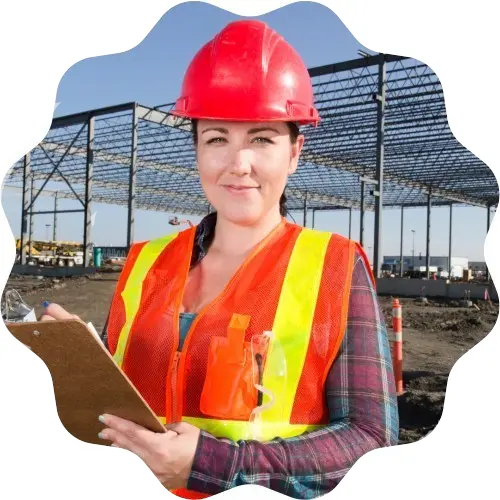
Alisha works within a professional construction environment where coordination, communication and project delivery are key. Her journey into the sector demonstrates that construction is not a single path — it’s a network of interconnected roles.
Her story highlights how the industry welcomes a variety of skillsets and backgrounds, and how confidence grows once you’re inside it.
- “You don’t have to fit a stereotype to work in construction.”
Alisha’s experience reflects the shift taking place across the sector — one where professionalism, collaboration and inclusion are increasingly visible.
Sarah’s journey demonstrates something powerful: where you start is not where you have to stay.
Working within a structured construction role, Sarah has seen first-hand how the industry offers clear development pathways. Through hands-on experience and employer support, she has progressed and built long-term career stability.
- “There’s more opportunity here than people realise.”
Her story represents the growth mindset that defines modern construction — practical skills, structured development, and real career mobility.
Milly’s role showcases the impact construction professionals have on meaningful projects. Being involved in projects that shape communities creates a strong sense of purpose and pride.
Construction is not just manual labour — it’s planning, coordination, engineering, compliance, leadership and innovation.
- “It’s rewarding to see something you’ve helped deliver come to life.”
Milly’s experience highlights how women are contributing across high-profile and technically complex projects across the UK.
The construction industry is no longer one-dimensional.
Today, there are roles across:
Employers are investing in structured training pathways, inclusive recruitment practices and long-term workforce development.
The result?
A more accessible, more supportive and more representative industry than ever before.
If you’re completely new to construction, one of our Level 1 courses is a practical place to begin.
These courses are designed to build confidence and basic understanding of how the industry works. You’ll learn essential knowledge around health and safety, site awareness and the different roles available.
For many women exploring construction for the first time, this provides structure without overwhelming you.
If you’re already working in construction — even informally — gaining a recognised qualification can help you move forward.
An NVQ allows you to formalise your experience and demonstrate your competency. Combined with the right CSCS card, this can open access to more secure roles, higher responsibility and better pay.
Progression in construction is often linked to qualifications. Getting accredited makes a difference.
Many women entering construction are not coming straight from school. They’re moving from retail, hospitality, admin, logistics or other industries.
Skills like organisation, reliability, teamwork and communication transfer well into construction roles.
If you’re considering a change, the first step is understanding what’s realistic for your situation — and what pathway makes sense.
Yes. Construction jobs for women in the UK span a wide range of roles including project management, site engineering, commercial and quantity surveying, health and safety, design coordination, skilled trades, planning and compliance, and operational support roles.
The construction industry is actively investing in inclusive recruitment and structured training pathways, meaning more women are entering and progressing within the sector each year.
If you are considering construction as a career, there are multiple entry routes available regardless of background or previous experience.
You can start a construction career with no prior experience through:
Many employers value transferable skills such as communication, organisation and reliability. Structured training and NVQ qualifications allow you to gain recognised credentials while working.
A short career advice call can help identify the right pathway based on your current situation.
Yes. Construction apprenticeships are open to women across the UK and cover both technical and professional roles.
Apprenticeships allow you to earn while you learn, gain hands-on experience, and achieve nationally recognised qualifications. They are one of the most accessible entry points into construction careers.
Employers are increasingly encouraging female applicants to help build a more inclusive construction workforce.
Yes. Many women successfully make a career change into construction in their 30s, 40s or later.
Construction offers structured entry routes that do not require you to start from scratch academically. Skills gained in retail, hospitality, administration, logistics, or customer service are often transferable into operational and project-based roles.
Funded training programmes and short courses can help accelerate the transition.
Not always at the start — but qualifications help with progression.
Entry-level roles may only require a CSCS card, which demonstrates health and safety awareness. As you gain experience, completing an NVQ construction qualification can help you:
Formal qualifications strengthen your career stability.
A CSCS card (Construction Skills Certification Scheme card) is often required to work on UK construction sites. It proves you have the necessary health and safety knowledge for site environments.
Both men and women working on site-based roles typically require a CSCS card. It is one of the first steps when entering practical construction roles.
Construction Helpline supports pathways that combine NVQ qualifications with CSCS card eligibility.
Yes. The UK construction industry is actively working to improve diversity and inclusion across all levels.
Employers are:
While progress continues, visibility of women across roles is increasing year on year.
Pay in construction depends on experience, qualifications and role type.
Higher-earning roles typically include:
Progression into these roles usually requires industry experience combined with recognised qualifications such as NVQs or professional certifications.
The best pathway depends on:
Speaking with a construction career advisor can help you identify the most suitable route, whether that is an apprenticeship, funded course, NVQ qualification or career-change entry programme.

© Copyright 2010 - 2026 constructionhelpline.com All Rights Reserved